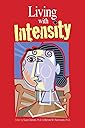
Living with Intensity: Understanding the Sensitivity, Excitability, and Emotional Development of Gifted Children, Adolescents, and Adults is one of those rare books that feels both clinically grounded and deeply human. It does not pathologize intensity. It honors it. This book offers a thoughtful exploration of what it truly means to live with heightened sensitivity, emotional depth, intellectual curiosity, and sensory responsiveness. Rather than reducing giftedness to IQ scores or academic performance, the authors expand the conversation to include emotional development, social experience, and the very real challenges that can accompany high levels of intensity. The framework around overexcitabilities—emotional, intellectual, imaginational, psychomotor, and sensory—provides language for experiences many individuals have struggled to articulate for years. What stands out most is the balance between research and practical application. The psychological foundations are clear and accessible without feeling oversimplified. At the same time, the book offers tangible strategies for parents, educators, clinicians, and gifted adults themselves. It recognizes that intensity can look like passion, empathy, moral conviction, creativity, and deep reflection—but it can also manifest as overwhelm, anxiety, perfectionism, or social isolation. That nuanced approach makes the material feel credible and grounded. For parents of gifted children, this book can be transformative. Instead of viewing emotional outbursts or hypersensitivity as behavioral problems, it reframes them as developmental signals. It encourages supportive responses rooted in understanding rather than control. For adolescents and adults who have long felt out of step with peers, it provides validation. There is comfort in realizing that intensity is not a flaw but a trait that requires skillful navigation and supportive environments. Educators and mental health professionals will appreciate the developmental lens. The authors challenge deficit-based thinking and encourage strength-based approaches that still acknowledge vulnerability. The emphasis on asynchronous development—where intellectual capacity may far outpace emotional regulation—offers critical insight into why gifted individuals may struggle socially or emotionally despite advanced cognitive abilities. The tone throughout is respectful and affirming. There is no romanticizing of giftedness, nor is there alarmism. Instead, the book sits in a steady middle ground: intensity brings gifts and challenges. Both deserve attention. This is a meaningful resource for anyone raising, teaching, counseling, or identifying as a gifted individual. It invites readers to replace shame with understanding and frustration with compassion. For those who have ever been described as “too sensitive,” “too emotional,” or “too intense,” this book offers something powerful: context. Highly recommended.