Ethiopia
Product ID: 150444958
Buy anything from 5,000+ international stores. One checkout price. No surprise fees. Join 2M+ shoppers on Desertcart.
Desertcart purchases this item on your behalf and handles shipping, customs, and support to South Korea.
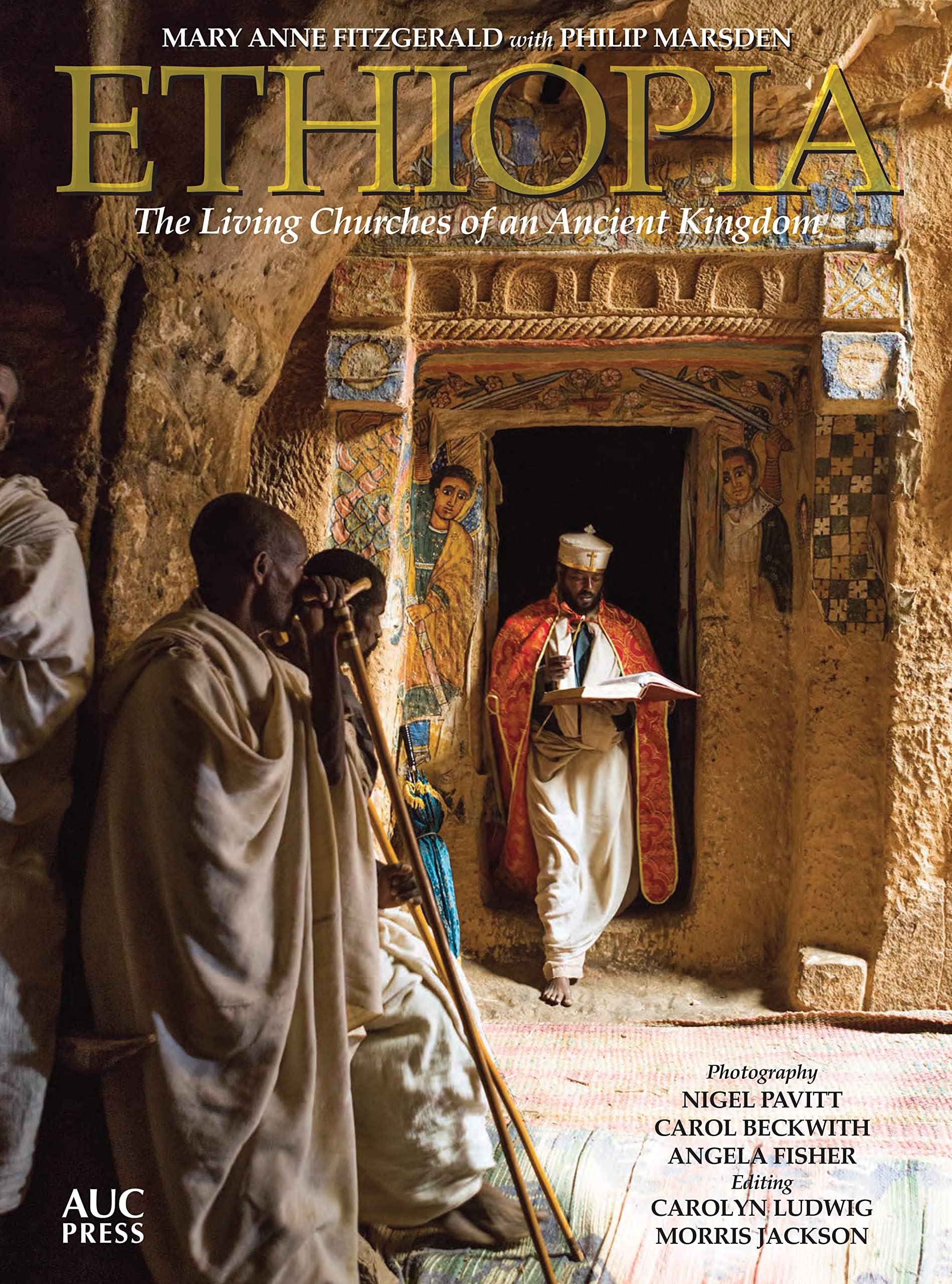
A lavishly illustrated photographic journey through the history and traditions of the ancient churches of Ethiopia. The ancient Aksumite Kingdom, now a part of Ethiopia, was among the first in the world to adopt Christianity as the official state religion. In AD 340 King Ezana commissioned the construction of the imposing basilica of St. Mary of Tsion. It was here, the Ethiopians say, that Menelik, son of King Solomon and the Queen of Sheba, brought the Ark of the Covenant containing the Ten Commandments. By the fifth century, nine saints from Byzantium were spreading the faith deep into the mountainous countryside, and over the next ten centuries a series of spectacular churches were either built or excavated out of solid rock, all of them in regular use to this day. Lalibela, a UNESCO World Heritage Site, has the best known cluster, but the northern region of Tigray, less well known and more remote, has many churches that are architectural masterpieces of the basilical type. Ethiopia: The Living Churches of an Ancient Kingdom traces the broad sweep of ecclesiastic history, legend, art, and faith in this sub-Saharan African kingdom as seen through the prism of sixty-six breathtaking churches, unveiling the secrets of their medieval murals, their colorful history, and the rich panoply of their religious festivals, all illustrated with more than eight hundred superb color photographs by some of the most celebrated international photographers of traditional cultures. This magnificent, large-format, full-color volume is the most comprehensive celebration yet published of Ethiopia’s extraordinary Christian heritage. Ethiopia is the third book on iconic places of worship published by Ludwig Publishing and the American University in Cairo Press, following the bestselling success of The Churches of Egypt and The History and Religious Heritage of Old Cairo. Review: A feast for the eyes - This is one of the most visually stunning books I own, and it is also informative. Review: Gorgeous coffee table book - This is a gorgeous coffee table book. It’s massive (10” x 13.5”, and 2” thick). There are 520 glossy pages full of photographs. There’s minimal text on each church, just enough information to introduce it. Some of the photo captions mention fascinating tidbits that are worth reading (like notes on when certain images started being portrayed in churches. For example, images of the Deposition of Christ (Christ being taken down from the Cross) only show up after the Jesuits started preached in the country in the late 1500s). In a few cases I was disappointed by how few photos there were of a particular monument. Abba Garima, an important monastery and forbidden to women does not have a single image from inside the church, nor is there an explanation for this (like they were unable to enter/photograph it). In contrast, the monastery of Debre Damo, also off limits to women, has some excellent photographs of the buildings and ceiling. The photos themselves are clear with a lot of detail. It’s obvious a lot of work went into them (as mentioned in the 'notes on photography' at the back of the book). If you are interested in Ethiopia, the expanded Christian church, architecture or religious art, this book is worth the price.


| Customer Reviews | 4.9 out of 5 stars 52 Reviews |
G**R
A feast for the eyes
This is one of the most visually stunning books I own, and it is also informative.
T**Y
Gorgeous coffee table book
This is a gorgeous coffee table book. It’s massive (10” x 13.5”, and 2” thick). There are 520 glossy pages full of photographs. There’s minimal text on each church, just enough information to introduce it. Some of the photo captions mention fascinating tidbits that are worth reading (like notes on when certain images started being portrayed in churches. For example, images of the Deposition of Christ (Christ being taken down from the Cross) only show up after the Jesuits started preached in the country in the late 1500s). In a few cases I was disappointed by how few photos there were of a particular monument. Abba Garima, an important monastery and forbidden to women does not have a single image from inside the church, nor is there an explanation for this (like they were unable to enter/photograph it). In contrast, the monastery of Debre Damo, also off limits to women, has some excellent photographs of the buildings and ceiling. The photos themselves are clear with a lot of detail. It’s obvious a lot of work went into them (as mentioned in the 'notes on photography' at the back of the book). If you are interested in Ethiopia, the expanded Christian church, architecture or religious art, this book is worth the price.
A**R
Marvellous book with wonderful photos. Fascinating insight but helps that I have ...
Marvellous book with wonderful photos. Fascinating insight but helps that I have been to some of these churches and worked in Ethiopia for a short while.
P**A
ETHIOPIA
El libro está perfecto. Ha cubierto mis espectativas.
T**B
Five Stars
A perfect and well detailed insight to Ethiopian extra ordinary country of culture and religion.
Trustpilot
2 weeks ago
2 weeks ago